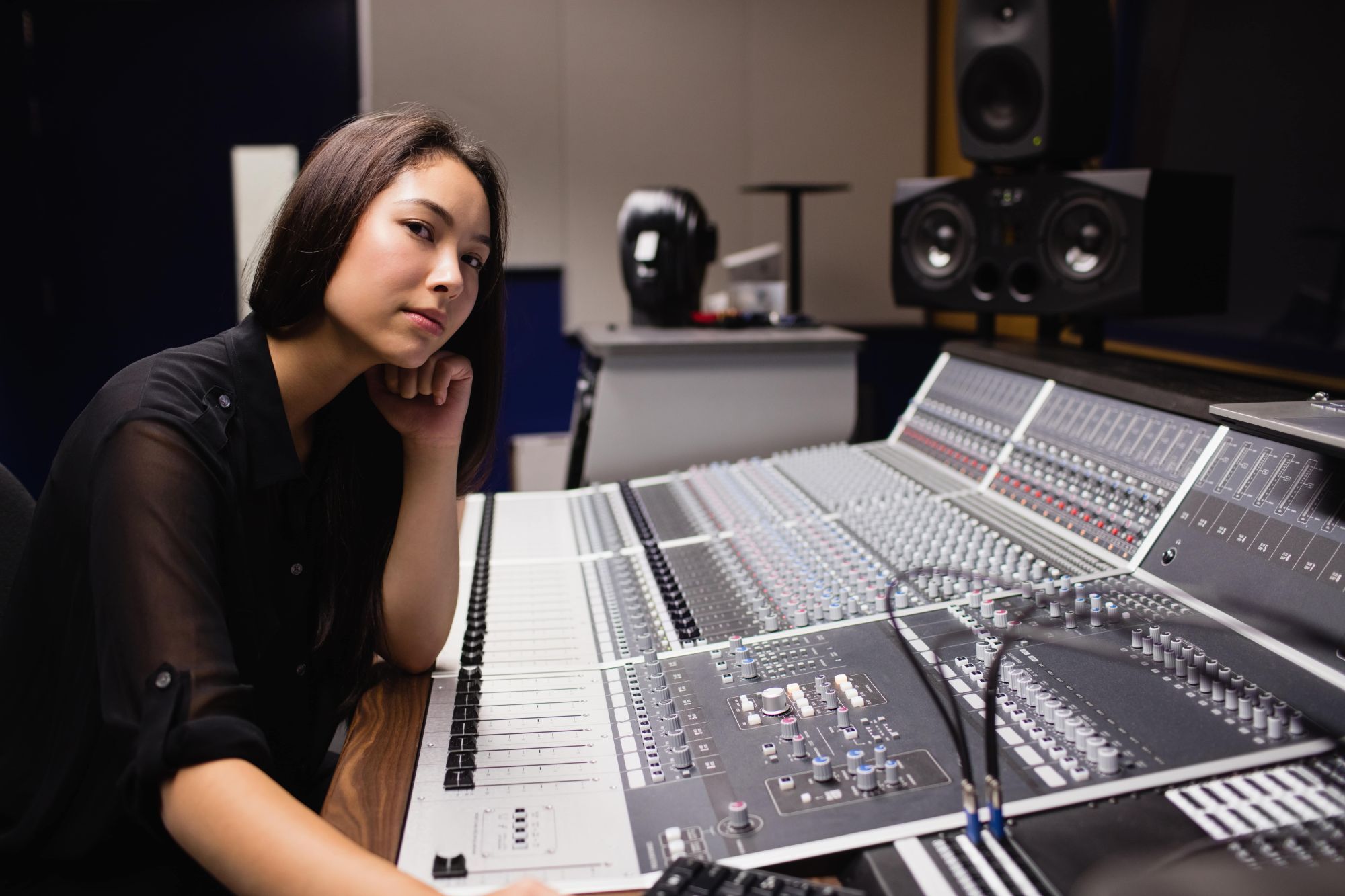
Search any sound engineering forum and you’ll find the same recurring post: “Is this interface good enough?” “Should I upgrade my mic?” “Do I need studio monitors to mix properly?” These aren’t necessarily bad questions, but there’s a pattern hiding underneath them. Many beginners feel stuck because of their gear. They think their tools are the reason they’re not progressing.
But the gear itself isn’t always the issue.
The idea that your setup is standing between you and better results can become an easy excuse. It creates a loop where you keep upgrading, but nothing changes. You buy new headphones, swap out cables, tweak your plugins, and still feel like something’s off.
The truth is, having the right hardware matters a lot less than people assume, especially at the early stages of learning.
What’s Actually Holding You Back
Let’s be honest. Gear envy is everywhere. You see flashy studio tours on YouTube with racks of compressors and tube preamps or producers showing off home setups with thousands of dollars in gear. It creates a sense of pressure, like you’re already behind.
But ask yourself: are you hearing better results or just seeing better equipment?
High-end gear helps when someone already knows how to use it. But without the right skills, even the most expensive setup won’t automatically improve your sound. In fact, it can create more confusion. If you don’t understand how signal flow works, upgrading your interface won’t help. If you haven’t learned gain staging, a fancy mic won’t save your vocal track.
Technique always comes first. Hardware just follows.
Skill Over Setup
You can record a clean vocal with a $150 microphone if you know how to place it, set your levels properly and control your room acoustics. On the other hand, you can end up with unusable audio from a $1,500 mic if you don’t know what you’re doing.
What separates strong engineers from average ones is their judgment. They know when to cut instead of boost. They can hear the difference between muddy and warm. They know when to compress and when to leave a track alone.
None of that comes from equipment. It comes from training your ears, understanding your tools and learning through practice.
The Essentials Are Enough
If you’re just starting, you don’t need a full studio. You need a few key tools and a willingness to learn them well. Here’s what’s actually necessary to begin building strong skills:
- Audio interface: A basic 2-in/2-out interface from a trusted brand can handle most beginner needs.
- Microphone: A dynamic mic (like an SM57 or SM58) or a budget condenser mic can take you a long way.
- Headphones or monitors: You’ll need something reliable for monitoring, but you don’t have to spend thousands.
- Digital Audio Workstation (DAW): This is your main workspace. Many DAWs offer free trials or lite versions that work just fine at first.
If you’re working with limited tools, you’re not alone. Many successful engineers and producers began by learning how to stretch the gear they had. The key was learning how to get the best out of what was already there.
Signs You’re Blaming Your Gear
It’s easy to fall into the mindset that your equipment is holding you back. But there are a few signs that point to a different problem:
- You keep researching new gear but avoid finishing projects.
- You’ve bought multiple microphones or interfaces, but don’t feel like your sound has improved.
- You hesitate to record because you feel your setup isn’t “ready.”
- You spend more time testing plugins than mixing.
If any of these feel familiar, it might be time to shift focus. Instead of reaching for the next upgrade, consider taking a step back and asking what you can do with what’s already in front of you.
What Makes Gear Sound “Good”
A high-end interface has cleaner preamps. Premium microphones can capture more detail. But the way you use them has a much bigger impact on the final result. Here are some factors that matter just as much, if not more, than the gear itself:
- Mic technique: Distance, angle and placement all affect tone and clarity.
- Room acoustics: An untreated room can ruin even the best recording chain.
- Gain staging: Knowing how to set input levels correctly prevents distortion and noise.
- Mixing decisions: EQ, compression, panning and effects matter more than the model number on your preamp.
Professional engineers often make these adjustments instinctively. That’s not because of their gear, it’s because of their training and experience. Their ears have been developed through years of practice and study.
The Learning Gap, Not the Gear Gap
If you feel like you’ve hit a wall with your current setup, the solution might not be in your next purchase, it might be in your next lesson. Education fills the gap between gear and results. It gives you the foundation to understand why a certain sound works, how to correct what doesn’t and when to leave something alone.
At Hollywood North Sound Institute, the focus is on helping students build that foundation. The goal is to help learners understand how to work effectively with whatever they have.
Through focused training in mixing, recording, editing and critical listening, students start to develop real control over their sound. That kind of control isn’t something you build.
If you do move into a professional environment later, you’ll know what you’re doing with the tools available. If you’re working from a home setup, you’ll know how to adapt and create something clean and usable.
Either way, it comes down to skill.
Stop Waiting for the Perfect Setup
There’s always going to be better gear out there. That doesn’t mean you need it today. If you keep telling yourself things will improve once you buy a new mic or set of monitors, you’ll always have a reason to wait.
Start with what you have. Use your current gear to its full potential. Learn the tools, refine your process and commit to finishing projects. A modest setup in the hands of someone skilled will always outperform expensive gear in the hands of someone who’s still guessing.
Final Thoughts
Your sound won’t suddenly improve because you upgraded your interface. It improves because you developed your ear. You practiced your gain staging. You listened more closely and trusted your choices. That process is where the real growth happens.
The gear is important, but it’s not the answer on its own. The answer is learning how to use it well.
Curious about how to take your skills further without buying more gear? Explore programs at Hollywood North Sound Institute. Learn how to get results using what you already have and train in the environments where professionals learn to listen, mix and create.